Custard Doneness Checklist: Temperatures, Textures, and Visual Signs
Perfect custard lives inside a narrow window. Pull it too early and you have sweetened milk. Push it too far and you get grainy, weeping curds that no amount of straining fully rescues. The encouraging part is that custard telegraphs its progress the whole way: a wisp of steam, a change in how the whisk drags, a wobble in the center of a ramekin. Learn those signals and you stop guessing.
Stirred custards like crème anglaise and pastry cream announce readiness through heat, bubbles and body. Baked custards—crème brûlée, pots de crème, flan, quiche filling—are quieter, leaning on a gentle jiggle and an internal temperature. Here is a working checklist for both.
Two Custards, Two Sets of Signals
Egg proteins thicken gradually as they heat and set firmly around 170°F to 180°F (77°C to 82°C). Past that range, they squeeze out water and turn rubbery or curdled. Your job, in every custard, is to stop the cooking as close to that set point as possible without crossing it.
Stirred custard sits in a saucepan over direct or indirect heat, so it moves fast—seconds matter near the end. Baked custard sits in a low oven and moves slowly, which is why it keeps cooking after you pull it. The same target temperature applies to both, but the way you get there is completely different.
Stirred Custard: Steam, Bubbles, and the Spoon
Temperature
Stir constantly over medium-low heat and start checking with an instant-read thermometer at around 160°F. Pull the pan off the heat at 175°F. Carryover will push it a few degrees higher, landing you in the safe zone rather than the scrambled zone. If you are working over a double boiler, the window is wider and more forgiving—worth it for a first attempt.
Texture
The classic test still works: dip a spoon, pull it out, and draw your finger across the back. The custard should hold a clean line on both sides and drip slowly rather than run. When the whisk leaves faint trails that close up after a second, you are close. When the mixture starts to feel heavier than thin cream as you stir, it is done—get it off the heat.
Visual signs
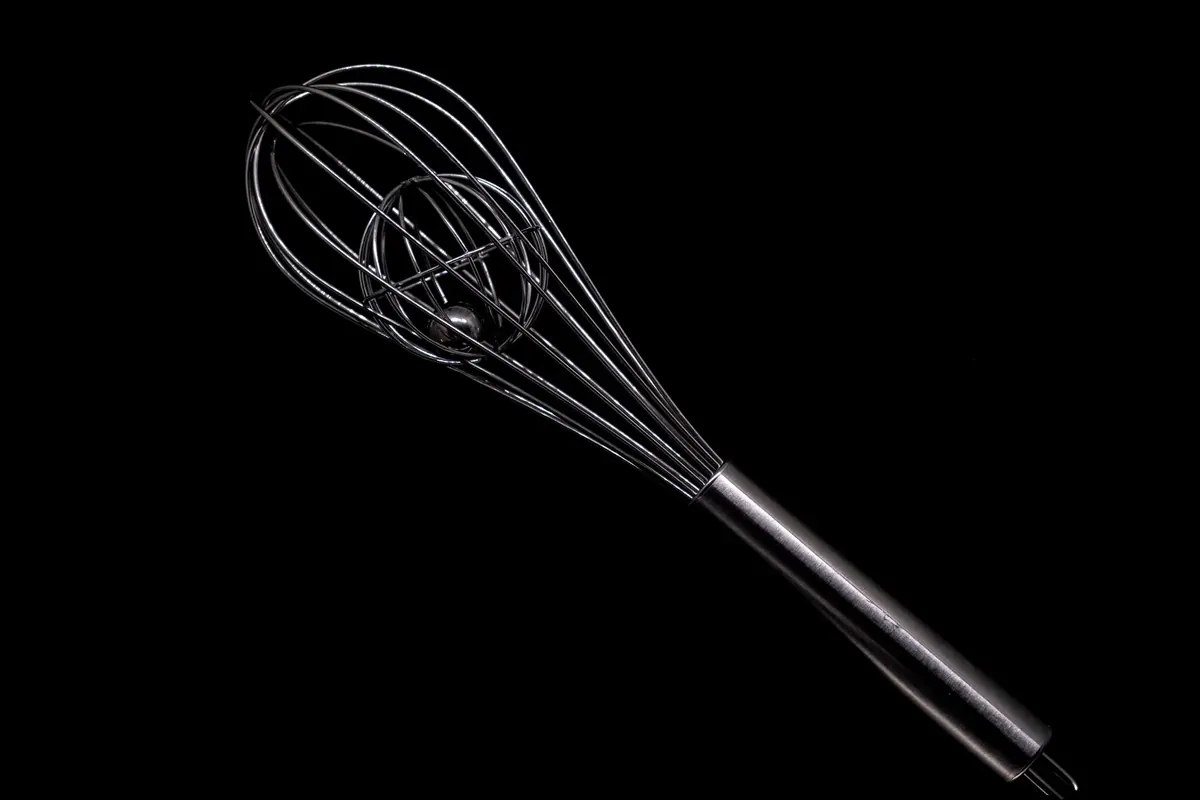
Look for the first thin veil of steam and a few small bubbles gathering at the edge of the pan. That is your two-minute warning. A full rolling boil, big bubbles across the surface, or foam climbing the sides means you have gone too far; pull it immediately and strain it into a cool bowl. Stirring with a spatula instead of a whisk near the end also reduces foam and keeps you from overworking the mixture.
Baked Custard: The Jiggle Test and 170 Degrees
In the oven
Bake in a water bath at 325°F, with hot—not boiling—water reaching halfway up the ramekins. The custard is ready when the outer inch looks set and slightly puffed, while the center still wobbles as one piece, roughly the size of a coin to a two-inch circle, when you nudge the pan. A knife inserted one inch from the edge should come out clean; if you test the very center it may still look wet, and that is exactly right.
Temperature
For a firm, sliceable result, aim for 170°F to 175°F at the center of a ramekin or the middle of a quiche. For a softer, spoonable custard, 165°F to 170°F gives you a looser set that still holds its shape on the plate. Measure in the center, not the edge, and wipe the probe between checks so you do not drag raw custard into a set area.
After the pull
Leave the dish in the water bath on the counter for ten minutes. The residual heat finishes the middle gently. Then move it to the refrigerator, uncovered, until it is cool enough to cover without trapping steam. Chilling firms the texture further, so a slightly soft center at this stage is a good thing.
The Doneness Checklist
- Stirred custard: steam rises and small bubbles appear at the pan's edge—stay at the stove, no stepping away.
- Stirred custard: thermometer reads 175°F, or the spoon coat holds a clean finger line.
- Stirred custard: off the heat at the first sign of thickening; strain into a cool bowl to stop cooking dead.
- Baked custard: outer edge set and just barely puffed, center wobbling like set gelatin.
- Baked custard: center temperature 165°F to 175°F depending on how firm you want it.
- Both: rest before chilling—stirred custard thickens as it cools, baked custard carries over in the bath.
Overcooking Traps and Quiet Fixes
Most custard failures trace back to heat that is too high or attention that wanders. Boiling is the enemy of stirred custard; direct high heat under a baked custard (or skipping the water bath entirely) causes rubbery edges and a weeping center. Acidic additions such as lemon juice or vinegar lower the coagulation point, so a lemon custard will curdle sooner than a vanilla one—treat 165°F as your ceiling there and stir without pause.
Temperature shock is another culprit. Pouring hot dairy into cold eggs, or eggs into a screaming-hot pan, gives you flecks before you have started. Temper slowly, adding hot liquid in a thin stream while whisking, then return everything to the pan.
If it does curdle, act fast. Immediately pour the custard through a fine-mesh sieve into a cool bowl; a brief whirl with an immersion blender can smooth minor graininess, though it will thin the texture slightly. For an overcooked baked custard with a grainy edge and a pool of liquid, blend the custard with a splash of milk and serve it as a sauce over fruit or cake rather than pretending it is still a custard. Nothing is wasted.
Putting the Checklist to Work
Keep an instant-read thermometer within reach—it is the single tool that turns custard from nerve-wracking to routine. Before you start, decide what set you actually want: a pourable sauce, a spoonable pot de crème, or a sliceable flan. That decision tells you which end of the temperature range to aim for.
Then cook one small test ramekin alongside the rest so you can check doneness without disturbing the whole batch, and jot down the temperature and time you used. The next time you make the same recipe, you will know exactly when to pull it. Custard rewards attention more than skill, and after two or three batches, the wobble, the steam, and the spoon line start to feel like obvious signals instead of guesswork.
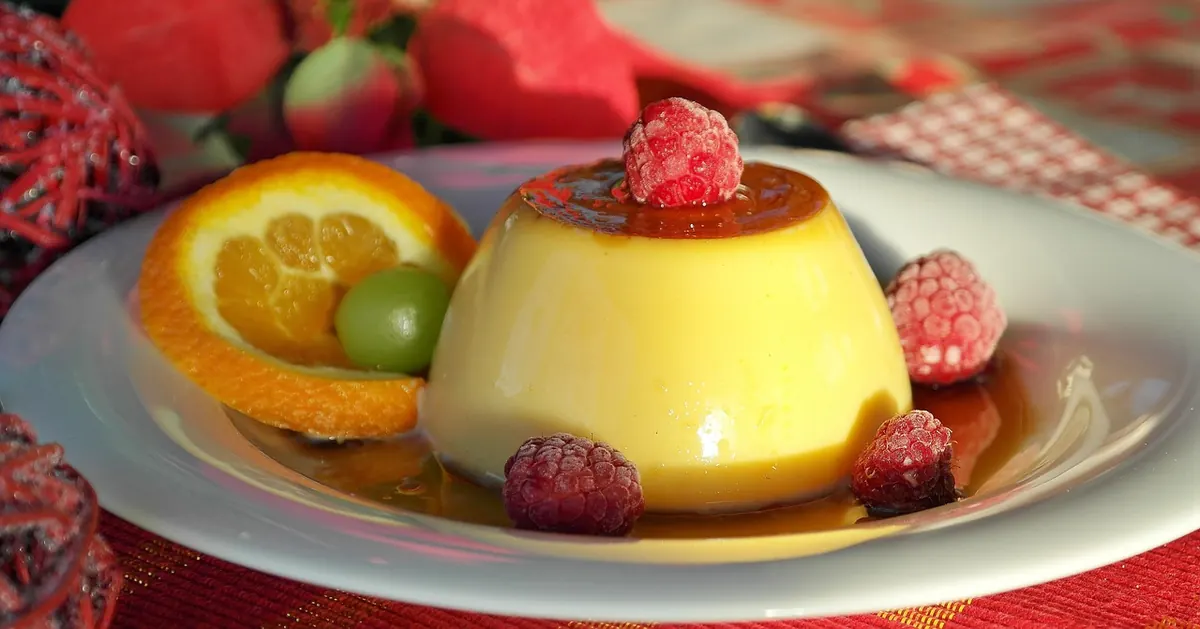
Photo: stevepb / Pixabay
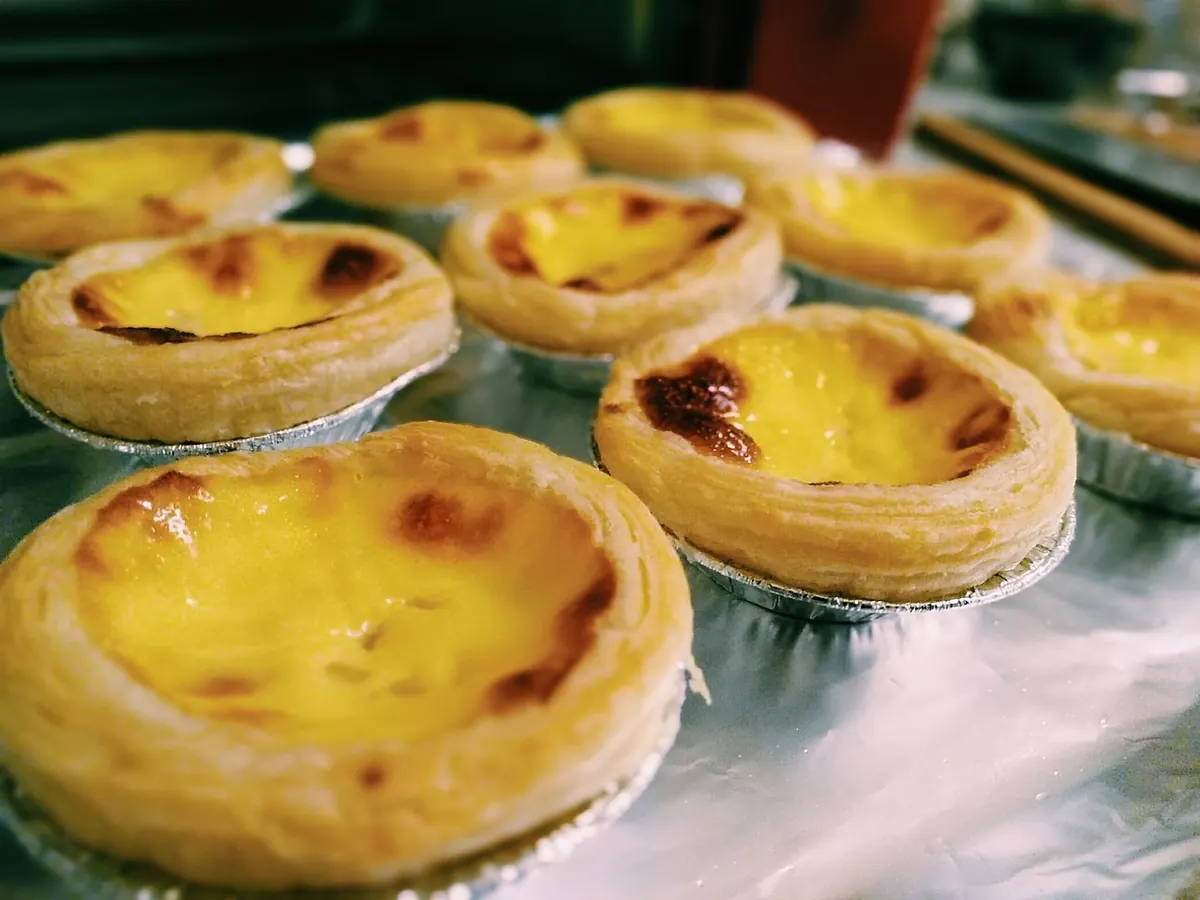
Custard Around the World: Flan, Pasteis de Nata, and Japanese Purin
Flan, pastéis de nata, and Japanese purin share the same ingredients but split into three distinct...
How to Thicken Custard Without Eggs: Cornstarch vs. Gelatin
Cornstarch and gelatin both thicken egg-free custard, but they set in different ways. Compare texture,...
About Us