A Beginner's Guide to Custard Types: Baked, Stirred, Set, and Savory
Custard is less a dessert than a family of textures. The same eggs and dairy that quiver in a ramekin can be poured as a sauce over berries, sliced as a set tart, or baked into a quiche with a green salad on the side. Nothing separates those dishes except proportion and heat — how much egg, how much fat, and how gently you cook it. Once you can see those three levers, you stop following custard recipes blindly and start choosing the result you want.
Three Levers That Decide Everything
Custard is eggs plus dairy, cooked until the proteins coagulate and the mixture thickens or sets. Sugar, salt, vanilla, cheese, herbs — that's all seasoning. Structure comes from these:
- Egg ratio. More egg means a firmer, more sliceable custard. Less egg means something soft, spoonable, or pourable.
- Dairy and fat. Cream, whole milk, half-and-half, and plant milks all behave differently. Fat coats the proteins, slows coagulation, and makes the finished custard taste richer and feel smoother. Thin, watery dairy gives a looser set.
- Cooking method. A water bath in a low oven, a whisk over a stovetop, a chill in the fridge — each produces a different texture from nearly identical ingredients.
Sugar deserves a mention too: it interferes with coagulation, so a very sweet custard takes longer to set and stays softer. Taste as you go rather than assuming more sugar is better.
The Egg Ratio Is Your Most Useful Dial
Most home cooks learn custard backwards, starting from a recipe instead of a target texture. Try it the other way. For a soft baked custard — the kind you eat from a small dish — about one large egg per 120 ml (1/2 cup) of dairy is a dependable starting point. Want it richer? Swap in yolks. Want it firmer and sliceable? Add another egg or yolk.
How yolks, whole eggs, and whites behave
Yolks carry fat and emulsifiers, which is why yolk-heavy custards like crème brûlée and crème anglaise taste so silky. They set softly and tolerate a little more heat before turning rubbery. Whole eggs add richness and firmness together. Whites add structure and almost no flavor, which is why custard tarts and some flans use whole eggs while a delicate stirred sauce usually doesn't.
Stirred custards follow the same logic but lean richer: four to six yolks per 480 ml (2 cups) of milk gives a sauce that coats a spoon but still pours. Push the egg count higher and you land on pastry cream, thick enough to pipe.
Baked Custards: Set in the Oven
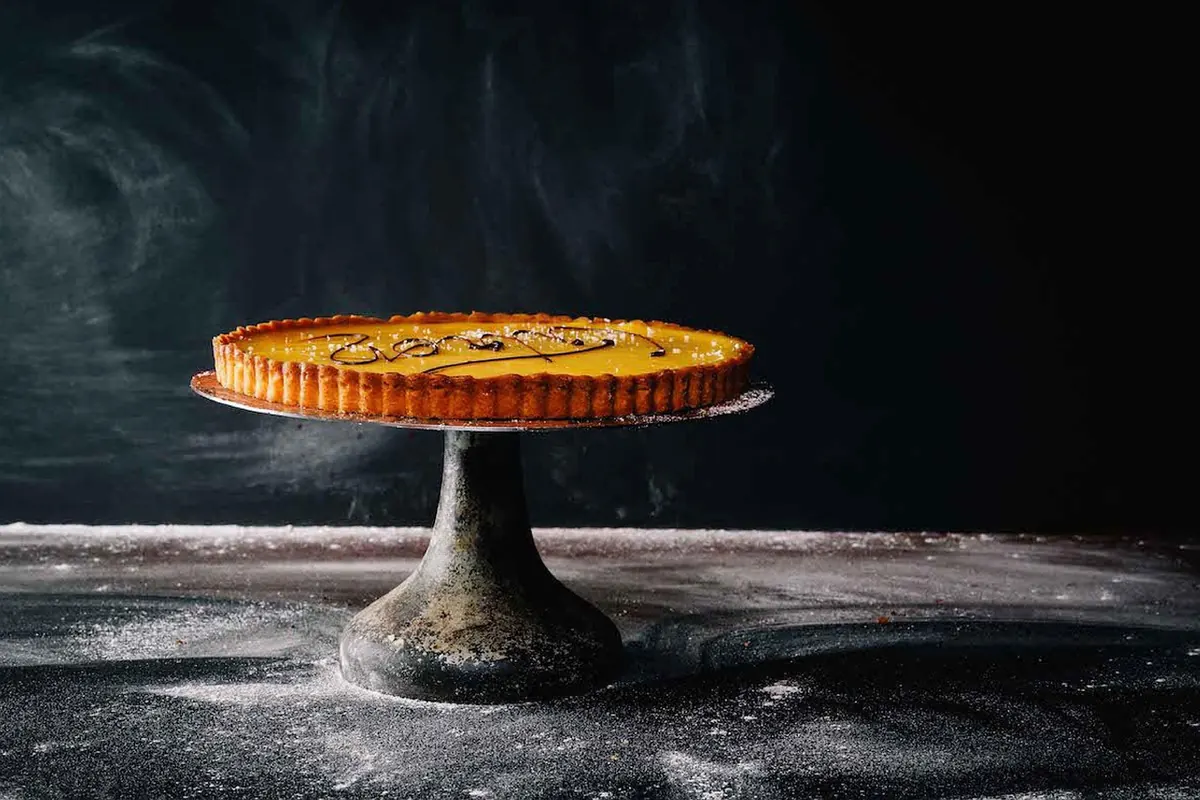
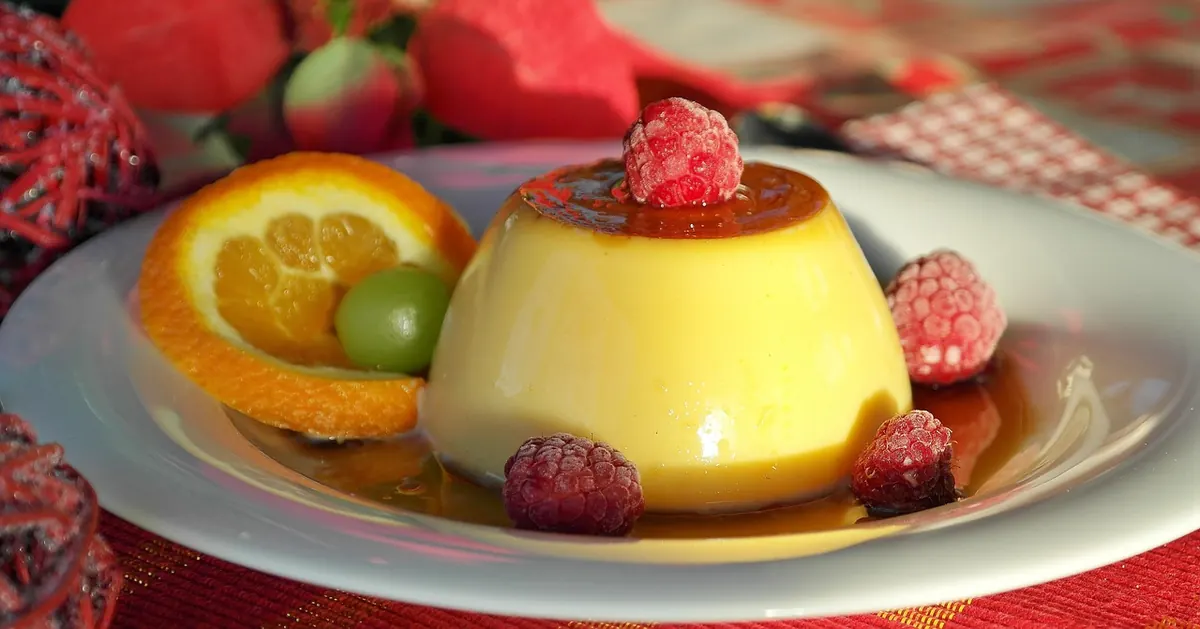
Baked custards — custard cups, crème brûlée, flan, custard tarts, cheesecake-style fillings — cook in the oven at low heat. The goal is to slow the heat down so the outside doesn't set before the middle does.
Use a water bath. Set the ramekins or tart pan in a roasting pan, pour hot water halfway up the sides, and bake at about 160°C (325°F). The water buffers the heat and keeps the edges from turning grainy. Individual ramekins usually take 30 to 45 minutes; a deeper dish takes longer.
Pull baked custards while the center still wobbles like firm jelly when you nudge the pan. They finish setting as they cool.
A thermometer is the most useful tool here: aim for roughly 75–77°C (170–175°F) in the center. Past that, the proteins tighten, squeeze out water, and you get the puddle and grain known as weeping.
Stirred Custards: Thickened on the Stove
Stirred custards cook in a pan over direct heat while you whisk. Crème anglaise, pastry cream, lemon curd, and most ice cream bases belong here. They're sauces rather than sets, though some thicken enough to hold a shape once chilled.
The danger zone starts around 82°C (180°F). A custard left there for even half a minute can turn grainy, so work low and slow.
- Whisk the yolks and sugar together first. The sugar helps keep the proteins from clumping.
- Warm the dairy separately until it steams but does not simmer.
- Pour the hot dairy into the yolks in a thin stream, whisking constantly. This is tempering, and it raises the egg temperature gradually instead of all at once.
- Return everything to the pan and cook over low heat, stirring constantly, until the custard coats the back of a spoon and a finger drawn through the coating leaves a clean line.
- Strain it right away, then chill it over an ice bath if you're not serving it soon.
Scrape the bottom and corners of the pan as you stir — that's where heat concentrates and where the first bits of cooked egg appear. If a batch scrambles slightly, strain it and carry on; most stirred custards recover well enough for a sauce.
Set Custards: When Gelatin or Starch Does the Work
Some custards lean on something other than egg to hold them. Panna cotta uses gelatin, cornstarch pudding uses starch, and agar sets a firmer, more brittle version of the same idea. These are custards in the broad sense: creamy, spoonable, and defined by texture rather than by eggs alone.
Gelatin gives a delicate, melting set — roughly one sheet (about 2.5 g, or a scant teaspoon of powder) softly sets 240 ml (1 cup) of liquid. Two sheets and you get something you can unmold. Cornstarch needs real cooking to lose its raw taste: whisk about 2 tablespoons per 240 ml of milk, bring it to a gentle simmer, and cook a minute or two until thick.
Reach for these when you want stability — a custard that survives a car trip, a buffet table, or an extra day in the fridge — or when you're cooking without eggs.
Savory Custards: Same Technique, Different Seasoning
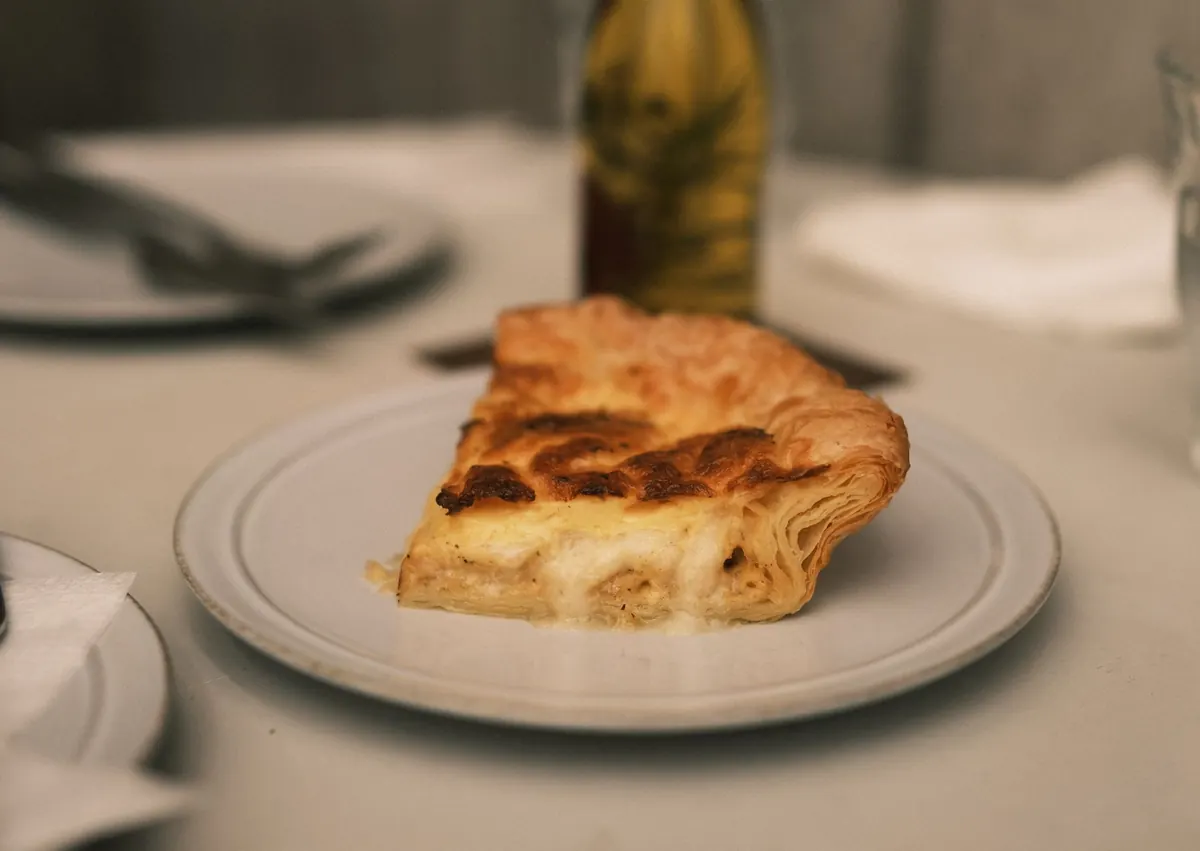
Quiche is a baked custard. So is a savory flan, a chawanmushi, and the steamed egg many households make on a weeknight. The method doesn't change; the seasoning does. Savory versions often use more liquid relative to egg because they're served as a dish rather than a dessert.
A filling of two eggs and 240 ml (1 cup) of cream or milk fills a standard 23 cm (9-inch) quiche shell. Steamed egg custards go much further — about one egg to three times its volume in stock, broth, or water — which is why they're so delicate. Steam them gently, covered, over low heat; furiously boiling water makes them spongy and pitted. Salt, cheese, herbs, and stock all go in with the dairy, and the same curdling rules apply. Cook egg dishes until the center is fully set with no liquid egg remaining, and refrigerate leftovers promptly.
Photo: Jack Baghel / Pexels
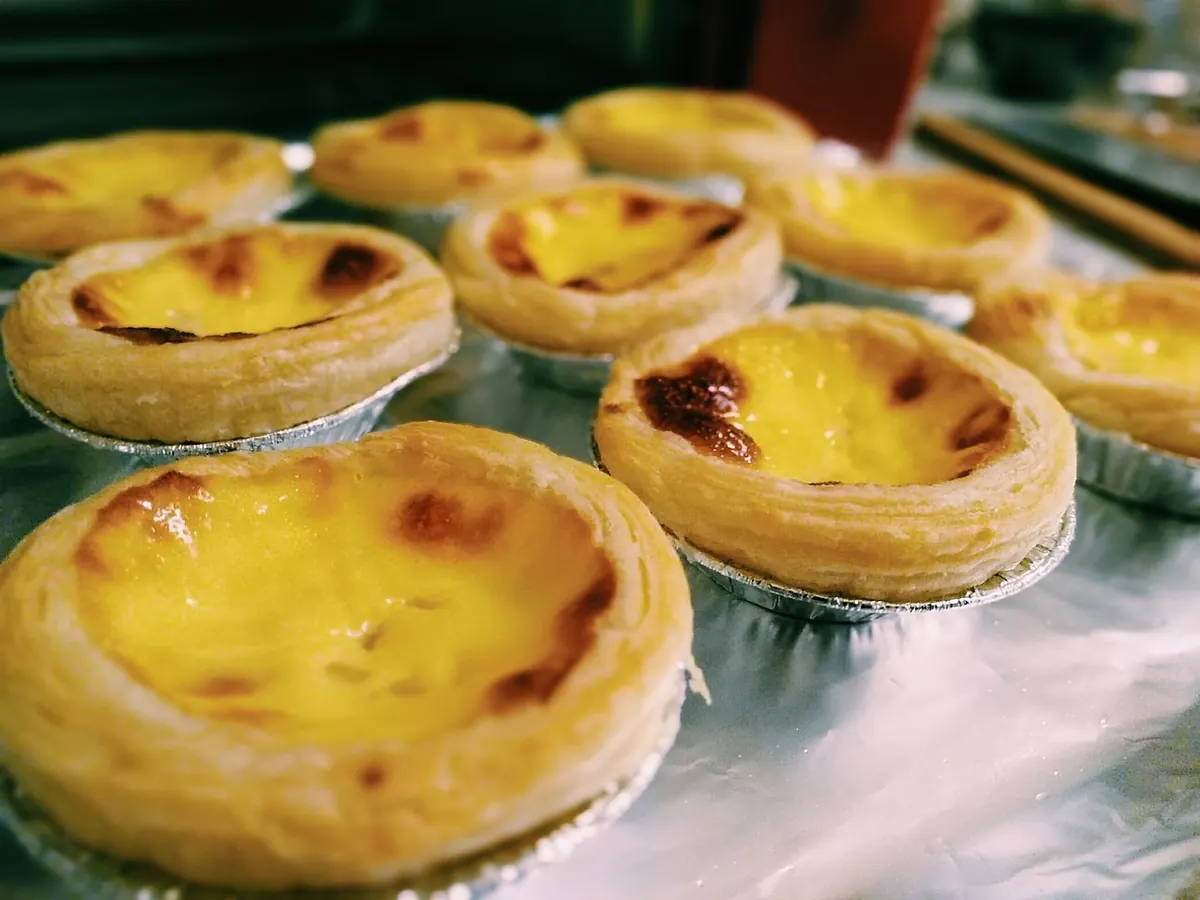
Custard Around the World: Flan, Pasteis de Nata, and Japanese Purin
Flan, pastéis de nata, and Japanese purin share the same ingredients but split into three distinct...
How to Thicken Custard Without Eggs: Cornstarch vs. Gelatin
Cornstarch and gelatin both thicken egg-free custard, but they set in different ways. Compare texture,...
About Us