Baked Custard vs. Stirred Custard: Key Differences and When to Use Each
A custard is eggs, dairy, sugar, and usually something small for flavor — vanilla, citrus zest, a scrape of nutmeg. The ingredients barely change from one recipe to the next. What changes is how the heat reaches them, and that one decision gives you two very different results: a custard that slices cleanly on a plate and one that pours off a spoon. Baked custard goes into a water bath and is never touched again. Stirred custard stays on the stovetop and is stirred from the first minute to the last. Knowing which one you're making before you crack an egg saves you from wondering why your sauce turned into a firm block or your custard pie refused to set.
The Core Difference: Heat Applied Two Ways
Both custards rely on the same chemistry. Egg proteins unravel when heated and then link together, trapping liquid in a delicate web. How tightly that web forms is decided by how you cook it.
Baked custard cooks in a water bath, sometimes called a bain-marie. The water cushions the heat, so the mixture warms slowly and evenly from every side and sets in the dish where it sits. A moderate oven — usually around 325°F (165°C) — plus a bath of hot water means the custard never gets much hotter than the simmering point of water at its edges. The proteins link up where they are, and the custard keeps its shape.
Stirred custard never sees the oven. It cooks over low heat while you stir, and it thickens only until it coats a spoon. The proteins still link, but constant movement keeps them from building a tight structure, so the mixture stays fluid. Starch often joins in: pastry cream and many ice cream bases use cornstarch or flour for extra body and stability.
Texture and Structure: What to Expect on the Fork
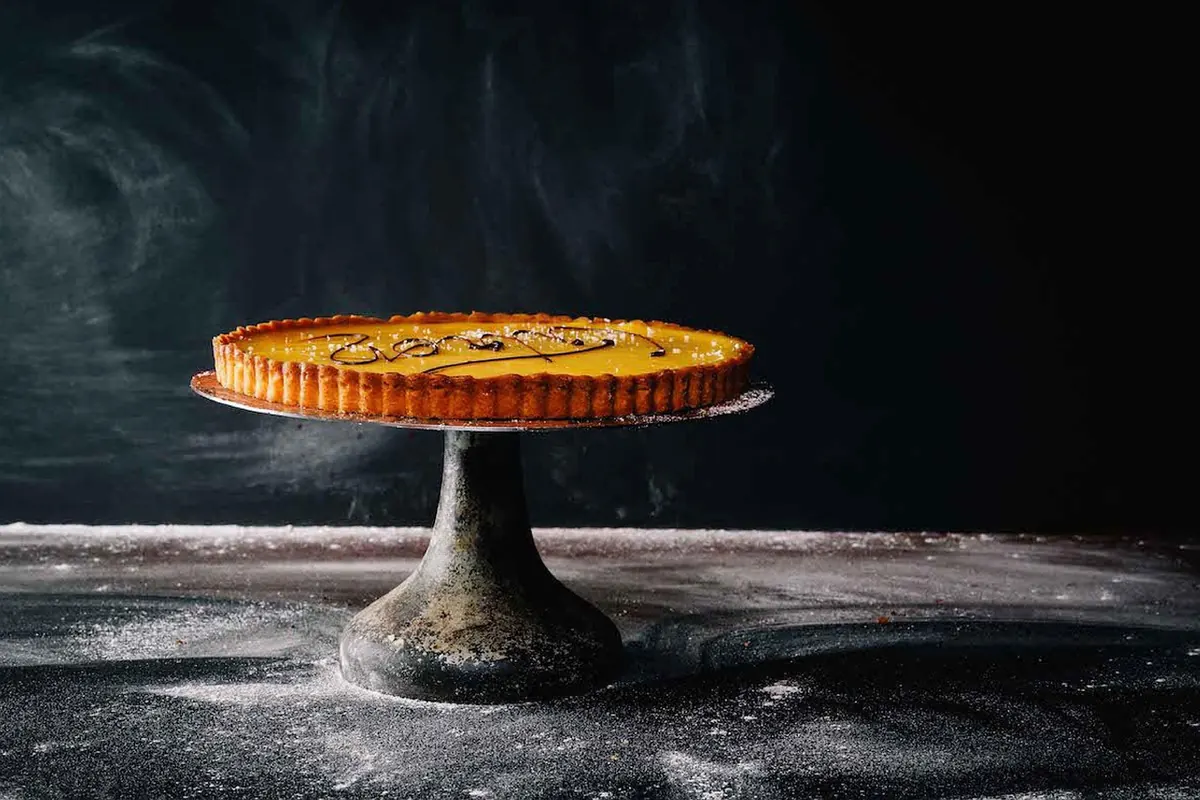
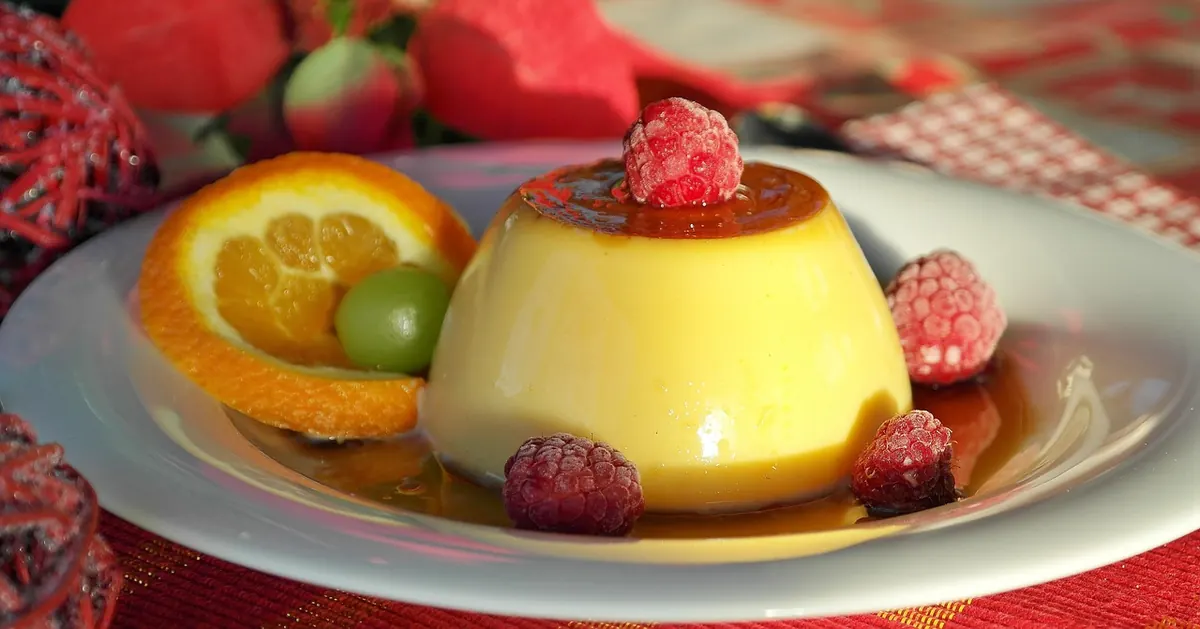
A properly baked custard is silky but sliceable. It holds an edge, stands up when turned out of a mold, and shows a fine, even grain when cut. That firmness is the whole point of flan and custard pie. Push it too far and the texture turns rubbery, with liquid weeping into the dish.
A stirred custard is glossy and spoonable, ranging from pourable like crème anglaise to thick enough to pipe after chilling, as with pastry cream. You will never slice it. You coat fruit with it, fill a tart shell with it, or layer it in a trifle. It's also the more forgiving texture if you catch your mistake early — a slightly undercooked stirred custard can go back on the heat, while an overbaked one cannot be undone.
How Baked Custard Sets (and How to Tell It's Done)
The water bath is doing real work
Set ramekins in a roasting pan, pull the oven rack out partway, and pour hot water into the pan until it comes halfway up the sides. The bath insulates the custard, keeps the oven humid, and prevents the cracking and curdling that come from direct, dry heat. Covering the pan loosely with foil helps on a hot spot-prone oven.
Use the jiggle test, not the clock
Small ramekins take roughly 25 to 40 minutes; a custard pie often takes 40 to 50. Instead of trusting a timer, nudge the pan. The outer inch should look set while the center ripples as one piece, like set gelatin. A knife inserted an inch from the edge should come out clean. The middle firms up as it cools, so pulling it while it's still wobbly is correct, not premature. Cool in the bath for 10 to 15 minutes, then chill for at least three hours before slicing or turning out.
How Stirred Custard Thickens (and How to Tell It's Done)
Temper the eggs
- Warm the dairy, sugar, and any flavoring in a heavy saucepan until steam rises. Don't let it boil.
- Whisk the egg yolks in a separate bowl just until smooth.
- Slowly ladle a little of the hot dairy into the yolks while whisking constantly. Add a second ladleful the same way.
- Return everything to the saucepan and cook over low heat, stirring without stopping and scraping the corners of the pan.
- Strain through a fine sieve into a clean bowl, then cool with plastic wrap pressed directly on the surface.
Readiness cues
Coating the back of a spoon is the classic test, and so is the finger swipe: draw a line through the custard on the spoon and the edges should hold. For a classic crème anglaise, you're looking for roughly 170°F to 180°F (77°C to 82°C). Boiling will scramble it. If you're using cornstarch, let the mixture come to a brief boil so the starch thickens fully and loses its raw, floury taste. Strain, chill, and use within three or four days.
Baked vs. Stirred at a Glance
- Heat source: oven with a water bath versus stovetop over direct low heat
- Movement: none after it goes in versus constant stirring
- Setting agent: eggs alone versus eggs, often with starch
- Final texture: sliceable and spoonable versus pourable to thick
- Can you turn it out of the mold? yes versus no
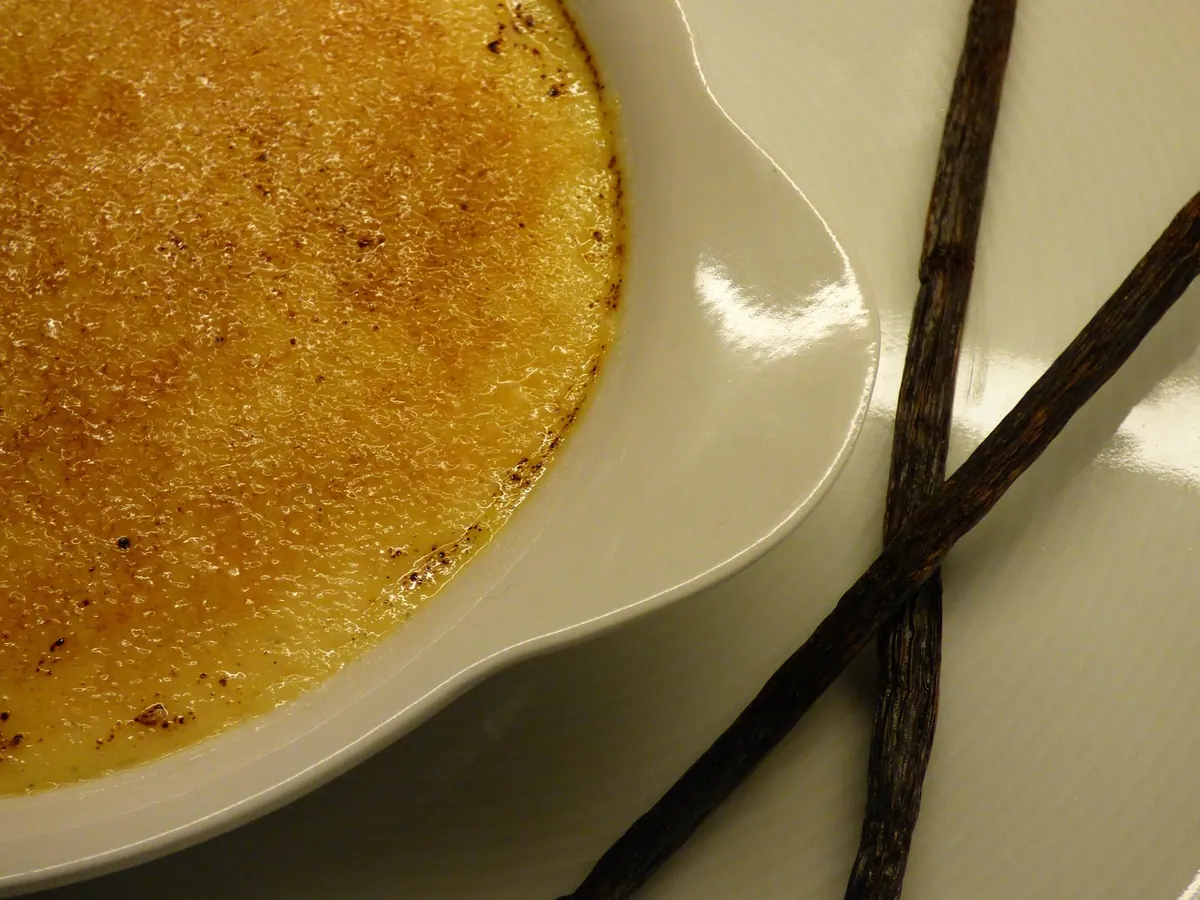
- Classic examples: crème brûlée, flan, custard pie, pots de crème versus crème anglaise, pastry cream, ice cream base, sabayon
- Main risk: curdling, cracking, or weeping from overbaking versus scrambling from heat that's too high
A stirred custard is really a baked custard you never stopped touching.
Choosing the Right Custard for the Job
Choose baked when the custard needs to hold a shape
Custard pie, crème caramel, individual pots de crème, and the custard base for bread pudding all need to stand on their own. Baked custard also wins when you want to make dessert ahead without standing at the stove — it bakes unattended and only improves after a night in the fridge.
Choose stirred when the custard needs to move
Crème anglaise poured over berries, pastry cream piped into éclairs, custard sauce layered into trifle, and any ice cream base you plan to churn all depend on a fluid texture. Stirred custard also suits anyone who'd rather not run the oven, and it's the better choice when you want something warm right off the stove.
Troubleshooting the Two Most Common Failures
- Baked custard is watery or cracked: almost always overbaked or cooked too hot. Lower the oven to 325°F, use the water bath, and pull it while the center still jiggles.
- Baked custard is rubbery: too many eggs for the amount of liquid, or too long in the oven. Check the ratio and start testing five minutes earlier than the recipe suggests.
- Stirred custard looks scrambled: the heat was too high or the eggs weren't tempered. Strain it right away — you'll save most of it — and use low heat next time.
- Stirred custard is still thin after ten minutes: it isn't done yet. Keep stirring at low heat until it coats the spoon, or bring a cornstarch-thickened custard to a brief boil.
Making the Call Before You Crack an Egg
Ask one question: does this custard need to hold a shape, or does it need to flow? Baked for structure, stirred for sauce and filling. Everything else follows from that — the water bath, the stirring, the doneness tests, the chilling time.
Work gently either way. Custard is eggs and dairy brought just to the point where they thicken, and no further. Watch the custard instead of the clock, keep the heat low, and refrigerate what you don't serve within a couple of hours. Get those habits in place and both styles become reliable, whether you're after a quivering slice of flan or a jug of vanilla sauce for the fruit on the counter.
Photo: flomo001 / Pixabay
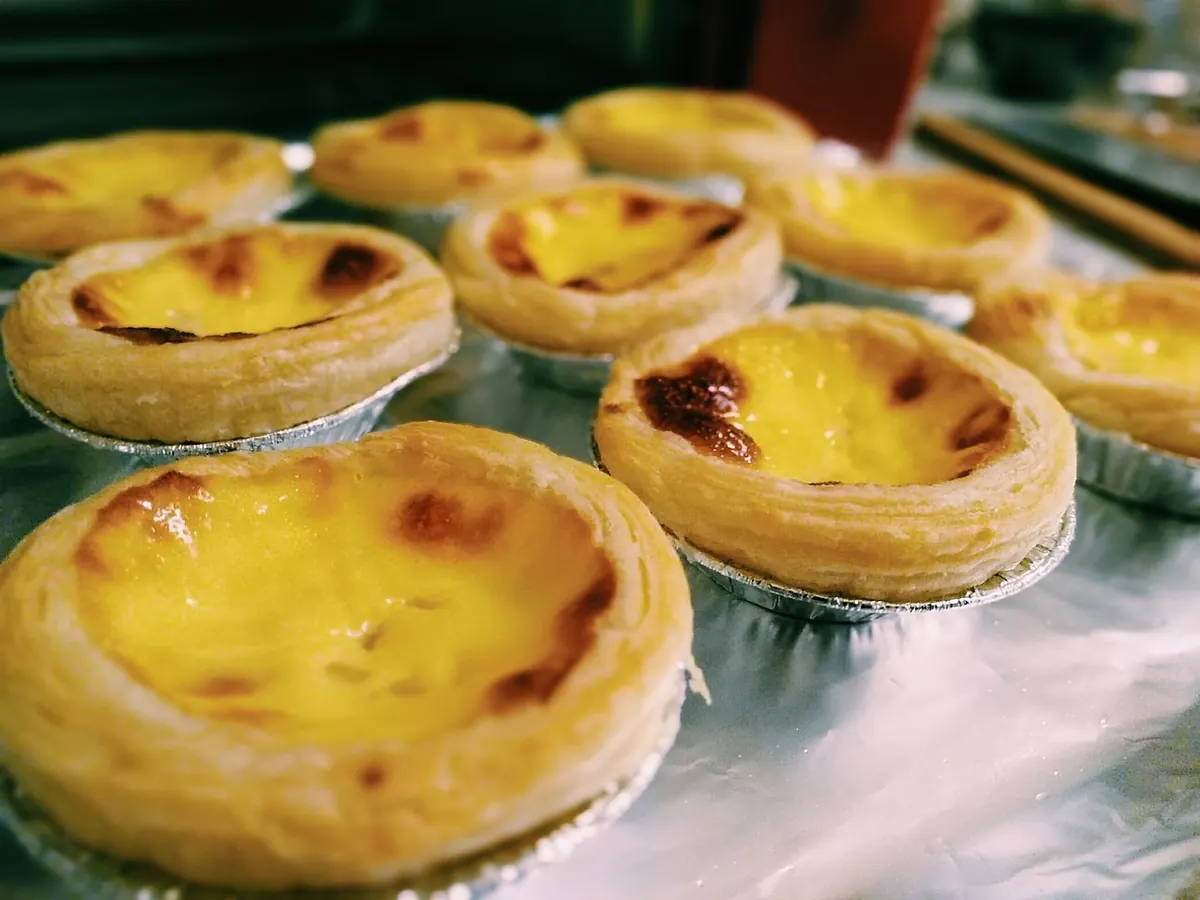
Custard Around the World: Flan, Pasteis de Nata, and Japanese Purin
Flan, pastéis de nata, and Japanese purin share the same ingredients but split into three distinct...
How to Thicken Custard Without Eggs: Cornstarch vs. Gelatin
Cornstarch and gelatin both thicken egg-free custard, but they set in different ways. Compare texture,...
About Us